

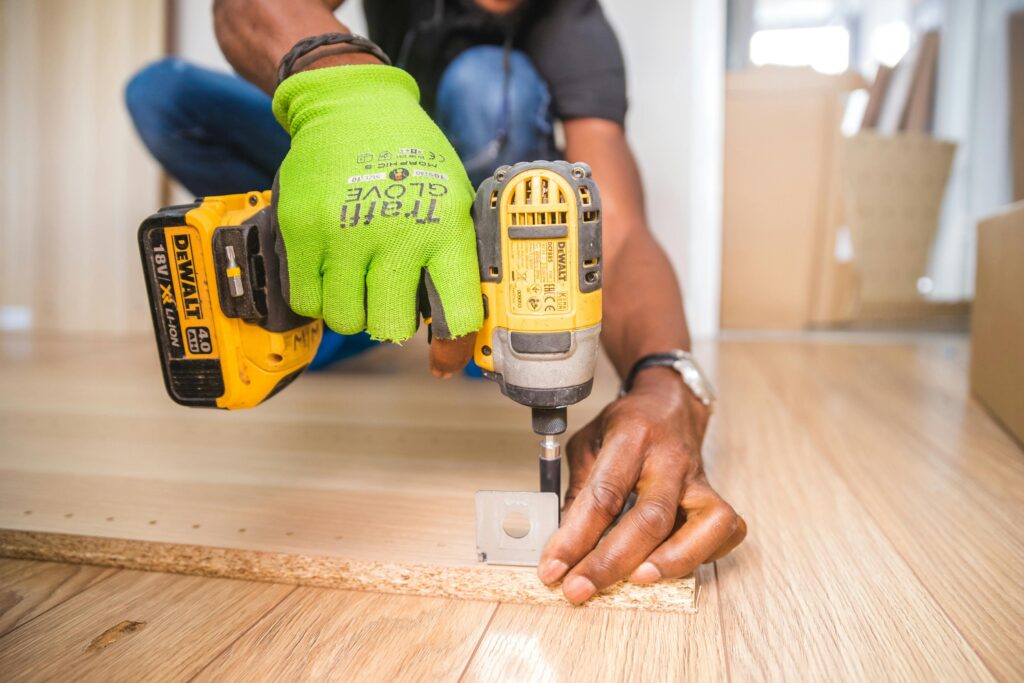
Whether you’re planning a home extension, a new build, or a major renovation, the construction process can feel overwhelming—especially if it’s your first time. The success of any project depends on preparation, communication, and smart decision-making from the very beginning. To help you start strong, here are seven essential construction tips every homeowner should know before picking up the phone for a quote.
1. Start With a Clear Vision and Detailed Brief
Before you speak to a builder, make sure you have a clear idea of what you want. This doesn’t mean you need architectural drawings immediately, but you should have:
- A rough layout or floor plan idea
- Your must-haves vs. nice-to-haves
- A realistic budget range
- Preferred materials (if any)
Builders can work efficiently when your expectations are clear. A detailed brief helps avoid miscommunication and keeps your project aligned with your vision from day one.
2. Choose the Right Builder — Not Just the Cheapest One
In construction, the saying “you get what you pay for” couldn’t be more true. Instead of choosing the lowest quote, look for:
- Proven experience in projects similar to yours
- Transparency in pricing
- A portfolio or past project gallery
- Good communication habits
- Positive client testimonials
A trustworthy builder saves you stress, time, and unexpected costs down the road.
3. Understand Your Site Conditions
Every site is unique, and the land you build on can significantly impact your budget and timeline. Factors like soil type, slope, drainage, accessibility, and council requirements all play a major role in planning. A professional builder will help assess these conditions early so you can avoid hidden surprises later in the build.
4. Invest Time in Approvals and Documentation
One of the biggest delays in construction happens before any building begins. Council approvals, engineering plans, structural certifications, and permits all take time—but skipping or rushing these steps can cause major issues. Make sure your builder or designer understands your local regulations and can help you manage approvals smoothly.
5. Prioritise Quality Materials Over Quick Savings
Cutting costs on materials might seem like an easy way to stick to your budget, but it can create long-term problems. High-quality materials provide:
- Better structural integrity
- Longer lifespan
- Lower maintenance costs
- Improved energy efficiency
Whether it’s roofing, framing timber, insulation, or flooring—investing in durability is always worth it.
6. Communicate Regularly With Your Builder
Open communication can make or break your project. Schedule consistent check-ins with your builder to:
- Track progress
- Discuss any changes
- Clarify expectations
- Review milestones
Clear communication prevents misunderstandings and helps keep your project on schedule and on budget.
7. Be Prepared for Unexpected Changes
Even the best-laid construction plans can encounter surprises—weather delays, product shortages, design changes, or site challenges. Be flexible and allow a contingency buffer in your budget (typically 10–15%). A prepared homeowner is a stress-free homeowner.
Final Thoughts
Construction doesn’t have to feel overwhelming. With the right planning, a reliable team, and a clear vision, your project can run smoothly from concept to completion. Whether you’re renovating your home or building something completely new, keeping these essential tips in mind will help you make confident decisions every step of the way.
Comments